
13396532368






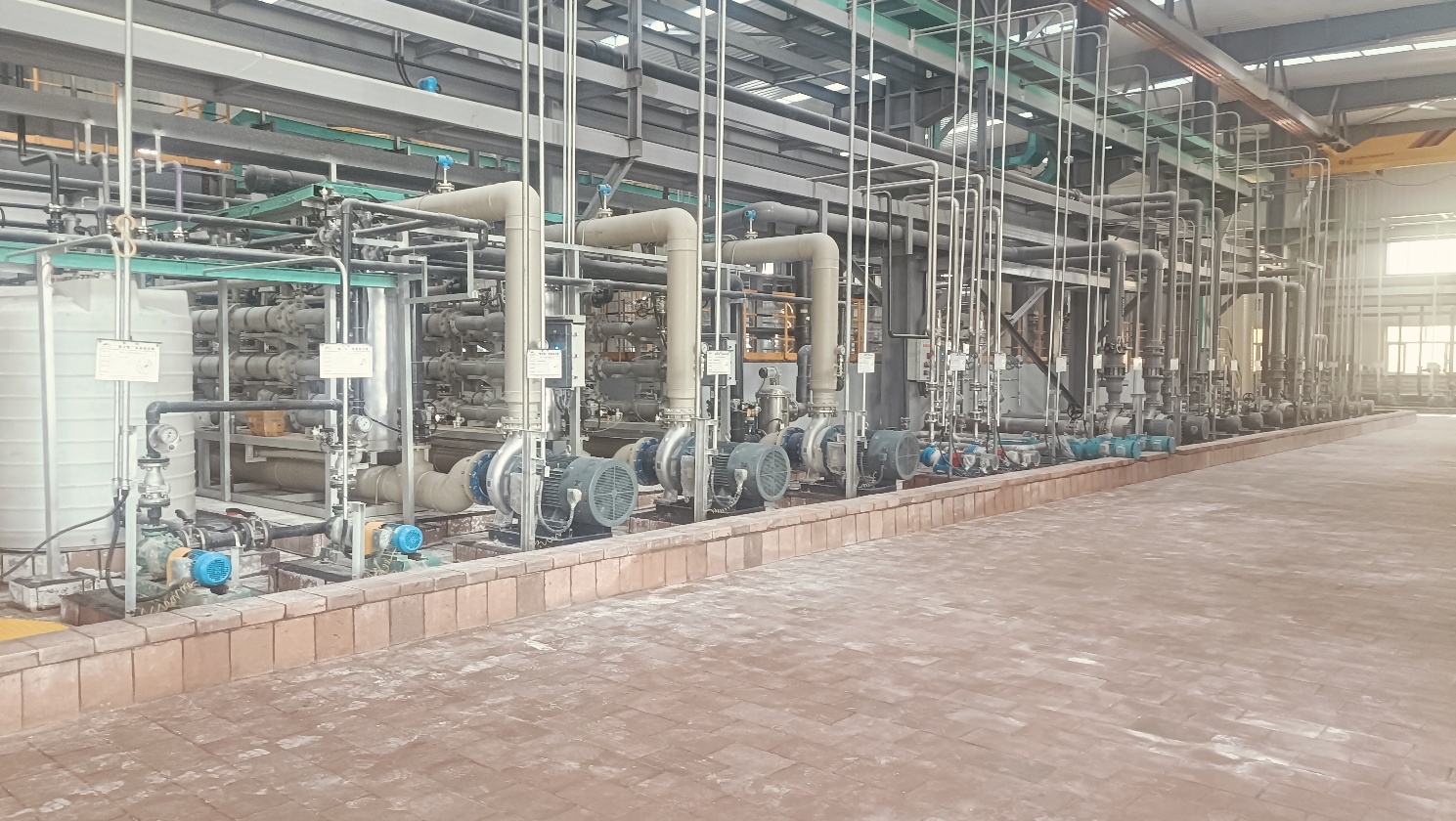
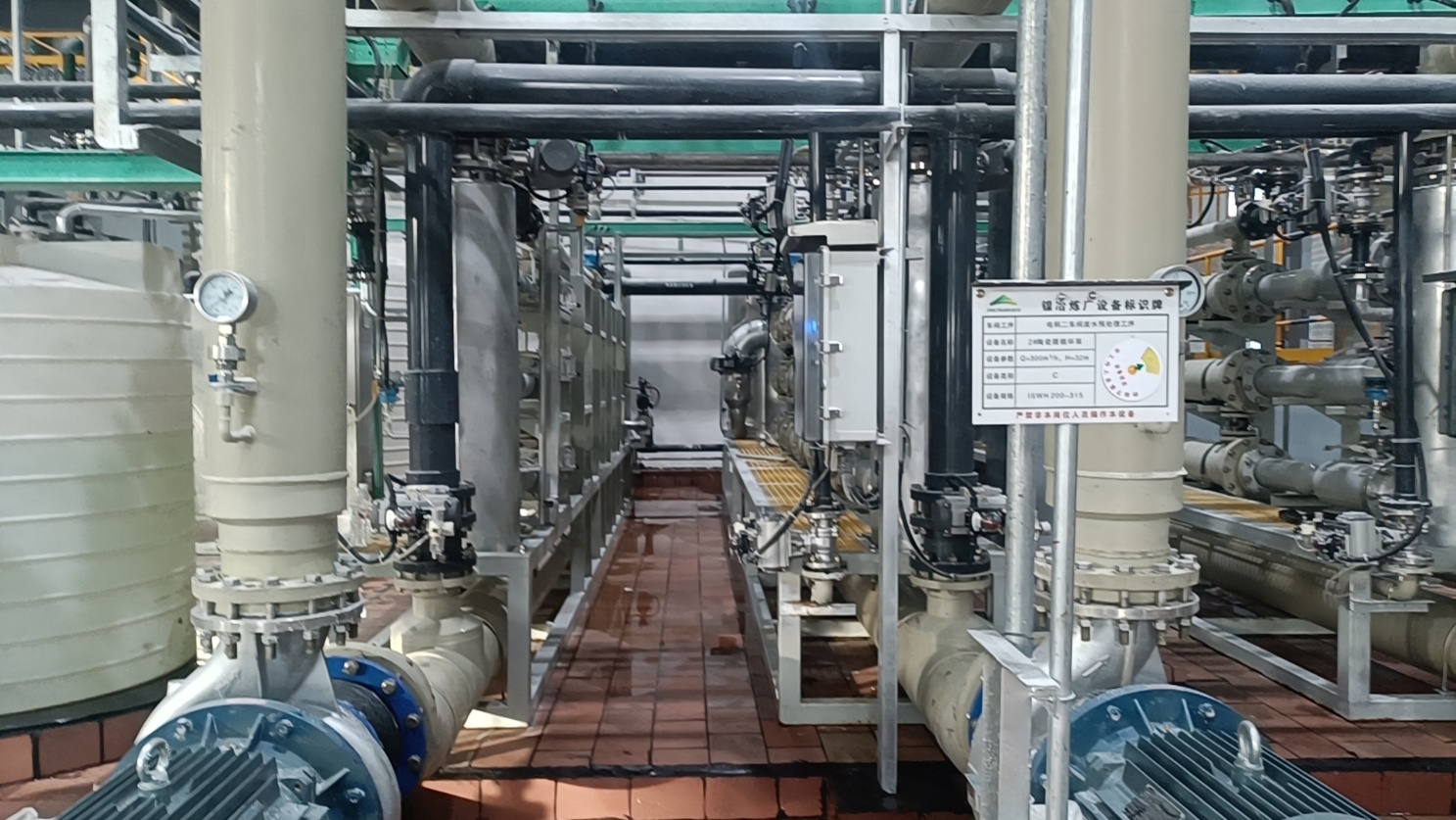
In the previous case study, we introduced the successful application of Jianmo Technology's silicon carbide high-fluidity membrane filtration technology in the pretreatment of high-oil, high-salt, and high-alkali extraction wastewater from a hydrometallurgical enterprise. This technology provided a reliable guarantee for the evaporation and crystallization system through efficient oil removal and stable effluent.
This article is a continuation of the project operation, focusing on the comparison of pain points with traditional processes and highlighting the core value, showcasing the true advantages of silicon carbide membranes in complex chemical wastewater scenarios.
Pain Points of Traditional Processes
Currently, conventional pretreatment of chemical wastewater still mainly relies on physicochemical methods, such as Fenton oxidation, ozone oxidation, activated carbon adsorption, and resin adsorption. However, these methods generally suffer from drawbacks such as unstable treatment effects, high operating costs, high reagent consumption, and large sludge production.
Meanwhile, high-salinity extraction wastewater poses a fatal challenge to traditional biological treatment processes: High salt concentration and high osmotic pressure easily cause microbial cell dehydration and protoplasmic separation; salting out leads to reduced dehydrogenase activity, significantly decreasing microbial treatment efficiency; high chloride ion concentrations are toxic to bacteria, inhibiting biochemical reactions; and increased wastewater density causes activated sludge to float and be lost, easily leading to system collapse and severely impacting purification efficiency and operational stability.
|
Comparison Items |
Traditional Physicochemical/Biological Processes |
Jianmo Technology's Silicon Carbide High-Throughput Membrane Process |
|
Treatment Stability |
Susceptible to water quality, salinity, and load fluctuations |
Strong shock resistance, long-term stable effluent |
|
Oil/Suspended Solids Removal |
Limited removal of emulsified oil and colloids; easy penetration |
Removes floating oil + emulsified oil + fine particles in one pass |
|
High Salt/Acid/Alkali Resistance |
Biological systems are prone to failure; physicochemical chemical consumption is extremely high |
Completely resistant to high salt and strong corrosion; stable material |
|
Operating Costs |
High costs for chemicals, consumables, and sludge disposal |
Low chemical consumption, easy cleaning, long lifespan, low overall cost |
|
Evaporation System Protection |
Substandard effluent can easily cause scaling and blockage in the evaporator |
Clear and stable effluent protects the evaporation system from the source |
|
Maintenance Difficulty |
Long process, many control points, high reliance on manual labor |
Automated operation, simple maintenance, and extremely low failure rate |
Core Values
(1) Completely bypasses the biochemical bottleneck of high-salt wastewater, ensuring system stability and preventing collapse. Independent of microorganisms and unaffected by salinity, chloride ions, or osmotic pressure, it fundamentally avoids the risk of biochemical system collapse, truly achieving continuous, stable, and safe operation of high-salt extraction wastewater.
(2) One-step oil and turbidity removal, with controllable and predictable pretreatment effects. It achieves high-precision interception of floating oil, emulsified oil, colloids, and fine suspended solids, resulting in clear and stable effluent, completely solving the industry pain points of incomplete oil removal, large effluent fluctuations, and difficulty in meeting evaporation influent requirements in traditional processes.
(3) Protects the evaporation system from the source, significantly extending the continuous operation cycle. It effectively prevents oil, colloids, and suspended solids from entering the evaporator, significantly reducing problems such as evaporator scaling, pipe blockage, decreased heat exchange efficiency, and forced shutdown for cleaning, enabling the evaporation system to achieve long-term, high-load, and high-efficiency operation. (4) Significantly improves the quality of crystalline salt and increases resource utilization benefits. It avoids oil and organic matter contamination of crystalline salt, eliminating problems such as yellowing, excessive impurities, and off-odors, resulting in higher purity, better appearance, and a higher compliance rate, directly increasing product value and export revenue.
(5) Significantly reduces overall operating costs and provides outstanding economic benefits. It reduces the use of flocculants, oxidants, and cleaning agents; reduces consumable replacement and sludge disposal; extends membrane lifespan and cleaning cycles; and reduces the intensity of manual maintenance, resulting in overall operating costs far lower than traditional physicochemical and biochemical combined processes.
(6) The system has strong shock resistance and is adaptable to complex and variable operating conditions. Facing water quality fluctuations, load changes, and high-salt, high-alkali shocks, the system maintains stable flux and stable effluent, without clogging, breakdown, or attenuation, making it suitable for complex industrial scenarios such as hydrometallurgy, chemical engineering, and new energy. (7) Shorter process flow, smaller footprint, and more controllable investment: Adopting an integrated design of "air flotation + silicon carbide high-flux membrane filter," it eliminates the need for multi-stage sedimentation, filtration, and oxidation units. This results in a shorter process flow, smaller footprint, easier retrofitting, and flexible expansion, offering significant advantages for both new projects and existing system upgrades.
(8) Green and environmentally friendly, meeting park regulations and low-carbon requirements: Primarily based on physical separation, it requires low reagent dosage, produces no secondary pollution, and generates no additional hazardous waste, meeting the high-quality development requirements of industrial park environmental supervision, low-carbon operation, and resource utilization.
In this project, Jianmo Technology's silicon carbide high-flux membrane filtration system provides a stable and reliable pretreatment solution for the resource recovery of high-oil and high-salt wastewater, effectively ensuring the long-term, high-efficiency operation of the downstream evaporation and crystallization system, creating significant value for enterprises to achieve energy conservation, cost reduction, and wastewater resource recovery.