

18072885002

CONTACT US
1 Process Description
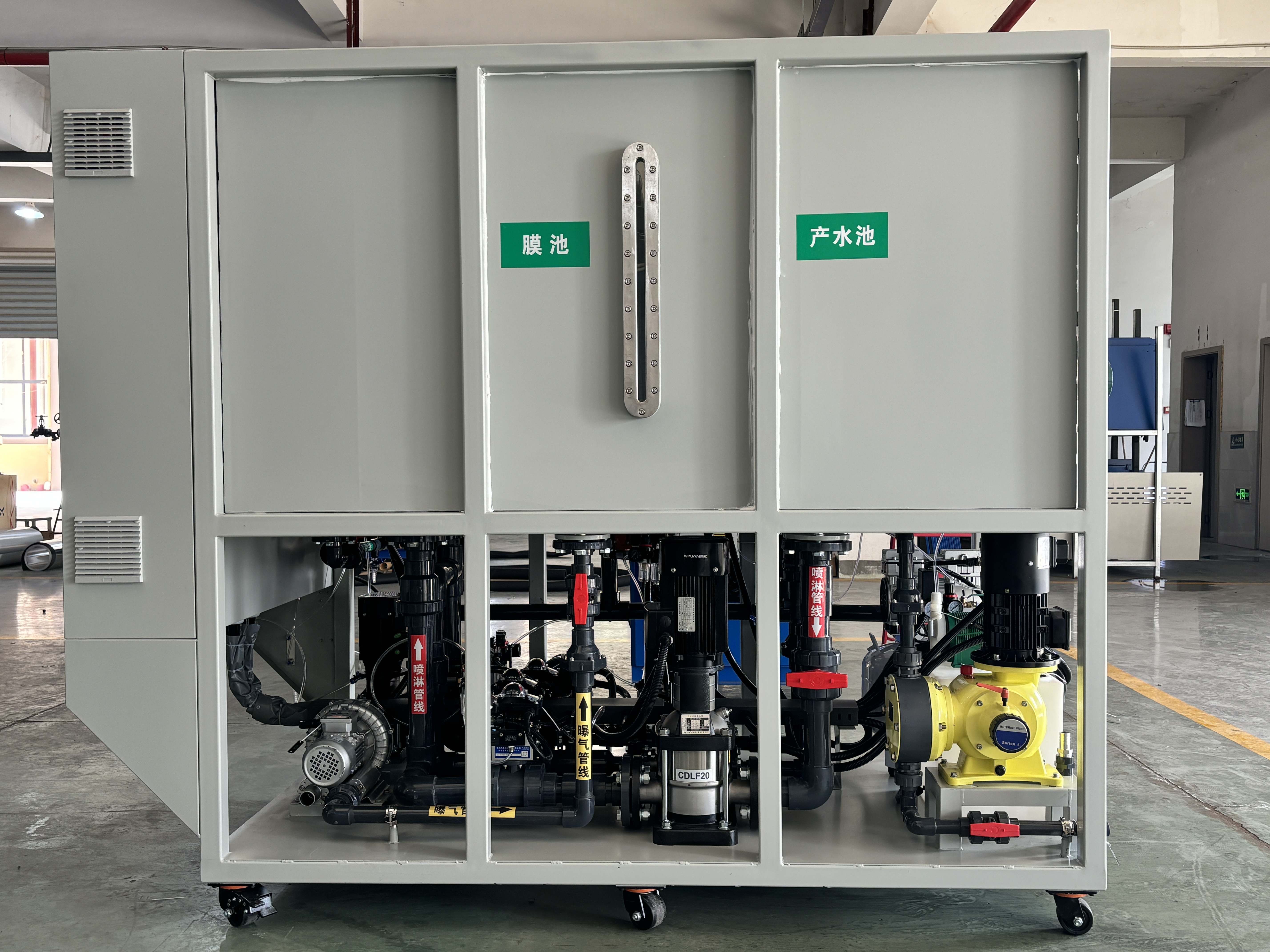
1.1 The feed water for this equipment is experimental water, with a designed production capacity of 1.1 m³/h.
Chemical Cleaning: Removes dirt or scale from the outside of the membrane.
1.2 Automatic Operation Process Steps:
2. Module information

3. Membrane Fouling and Cleaning
Membrane fouling leads to a decrease in flux, necessitating membrane cleaning. Generally, membrane cleaning methods can be divided into physical and chemical methods. Physical methods involve backwashing and spray cleaning, while chemical methods use chemical reagents that do not damage the membrane material but have a dissolving or displacement effect on contaminants.
Fouling of silicon carbide membrane systems can be categorized into three stages, each requiring a different cleaning method:
The first stage is the "filter cake" stage. During filtration, contaminants are continuously intercepted by the functional layer of the silicon carbide membrane, forming a thin filter cake. Over time, the filter cake slowly thickens and gradually becomes denser due to driving forces. The timing for cleaning can be determined by the increase in pressure on the pressure gauge and the decrease in the permeate flow rate on the permeate flow meter. Backwashing is then used to break down the contaminants and remove them from the membrane system.
The second stage is the "dead zone" stage, primarily targeting stubborn contaminants for cleaning. Since each backwash cannot achieve 100% effectiveness, a small amount of stubborn contaminants will still gradually accumulate in the functional layer of the silicon carbide membrane. This stage of contamination can be addressed through longer physical cleaning sessions or with the assistance of chemical cleaning agents.
The third stage is the "support layer fouling" stage. At this point, the permeate flow rate of the silicon carbide membrane will decrease by 20% or even more, and the transmembrane pressure differential will increase. Microbial metabolic products, fine organic matter, colloidal particles, and other contaminants may penetrate the functional layer of the silicon carbide membrane and contaminate the internal filtration channels. For this stage of contamination, higher concentrations of chemical agents are needed to decompose and destroy the contaminants, thoroughly cleaning them.
Net Weight:925kg
Gross Weight:1280kg
Equipment Dimension in MM: 2800L*1500W*H2520
Filtrate Volumn: 1000L/H