

13396532368






Polyacrylamide (PAM) can cause irreversible fouling to various types of filter membranes. This article focuses on the analysis of inorganic membrane fouling. A long-standing problem with inorganic membrane operation is that as long as free PAM exists in the system, the membrane element will experience a continuous increase in pressure differential and irreversible flux decline, and conventional acid and alkali cleaning is insufficient to restore its initial filtration performance.
I. Inorganic membranes are not susceptible to corrosion, but they cannot resist irreversible polymer contamination.
Most inorganic membranes on the market are characterized by stable chemical structure and high mechanical strength, making them resistant to chemical corrosion and thus widely used in various industrial water treatment scenarios. However, the damage caused by PAM to inorganic membranes is not considered chemical corrosion; it primarily manifests in two forms of fouling:
● Polymers adhere to the membrane surface and the inner wall of the pores, altering the membrane's original hydrophilic filtration interface.
● Free polymers penetrate into micron-sized membrane pores, where long molecular chains coil, bridge, and entangle, forming deep internal blockages.
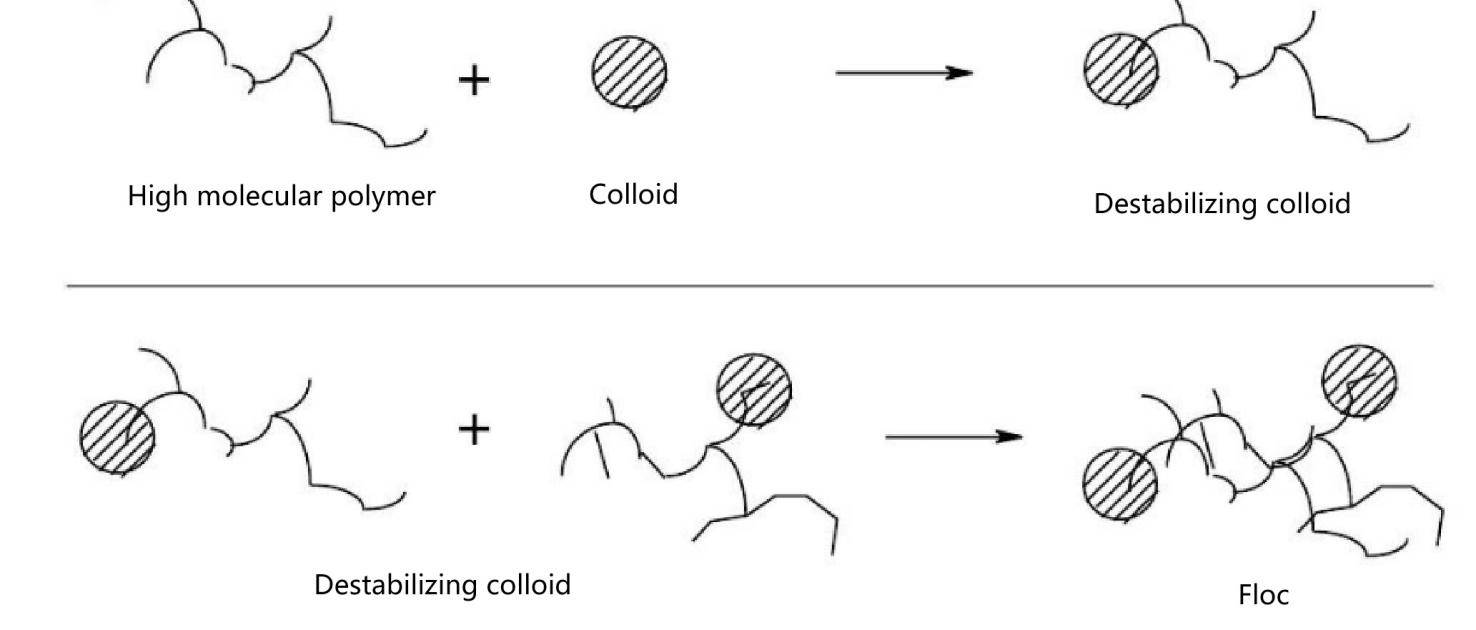
The bridging effect of polyacrylamide (PAM) (Image from the internet)
Simple air-water rinsing, acid washing, or alkaline washing can only remove loose surface sludge and cannot completely remove high-molecular-weight residual fouling trapped inside the membrane pores. Different types of PAMs differ only in the rate of fouling development and the form of clogging; no single type of PAM is safe and risk-free for inorganic membranes.
II. Differentiated fouling characteristics of inorganic membranes blocked by three types of PAM
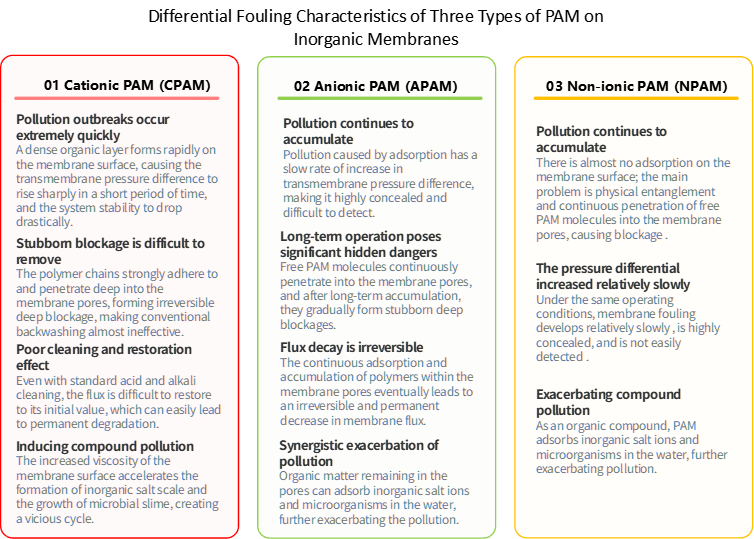
Regardless of the type of PAM used, as long as free polymers continuously enter the inorganic membrane module, the following common problems will occur:
● inside the membrane pores, forming deep blockages that cannot be cleared by surface cleaning;
● The polymer is a carbon-containing organic matter that continuously provides nutrients for microorganisms, promoting the growth of biological slime;
● Organic residue layers adsorb calcium, magnesium, and metal hydroxides in the water, which accumulate to form multi-layered complex pollution.
● Conventional acid and alkali cleaning alone cannot completely eliminate the irreversible pollution caused by polymers.
III. Silicon carbide ceramic membranes: the preferred solution after PAM contamination
Faced with the challenge of limited resistance to chemicals in ordinary inorganic membranes and incomplete cleaning of stubborn PAM contamination, silicon carbide ceramic membranes have become the preferred choice for dealing with PAM contamination due to their superior performance.
Silicon carbide ceramic membranes are resistant to pH 1-14 acids and alkalis and high temperatures. Their performance can be efficiently restored using a standardized cleaning program: First, a 60℃ alkaline solution is used in combination with EDTA for circulating cleaning. The saponification effect of the high-temperature alkaline solution decomposes the PAM residue on the membrane surface and pore surface. EDTA can chelate calcium and magnesium ions in the water, preventing scale from forming a compound pollution with PAM. In most cases of mild to moderate PAM pollution, the membrane flux can be restored to 90% of its initial value after cleaning with this program.
If severe PAM contamination occurs and conventional alkaline washing ● EDTA solutions fail to completely clean the membrane, silicon carbide ceramic membranes can be "recycled" through high-temperature calcination regeneration technology. Utilizing its high-temperature resistance, the stubborn and insoluble PAM polymers within the membrane pores are completely burned and decomposed through high-temperature treatment, thoroughly removing deep blockages. After regeneration, the membrane element's performance can be fully restored to its original state, a unique advantage that is difficult to achieve with other inorganic membrane materials.
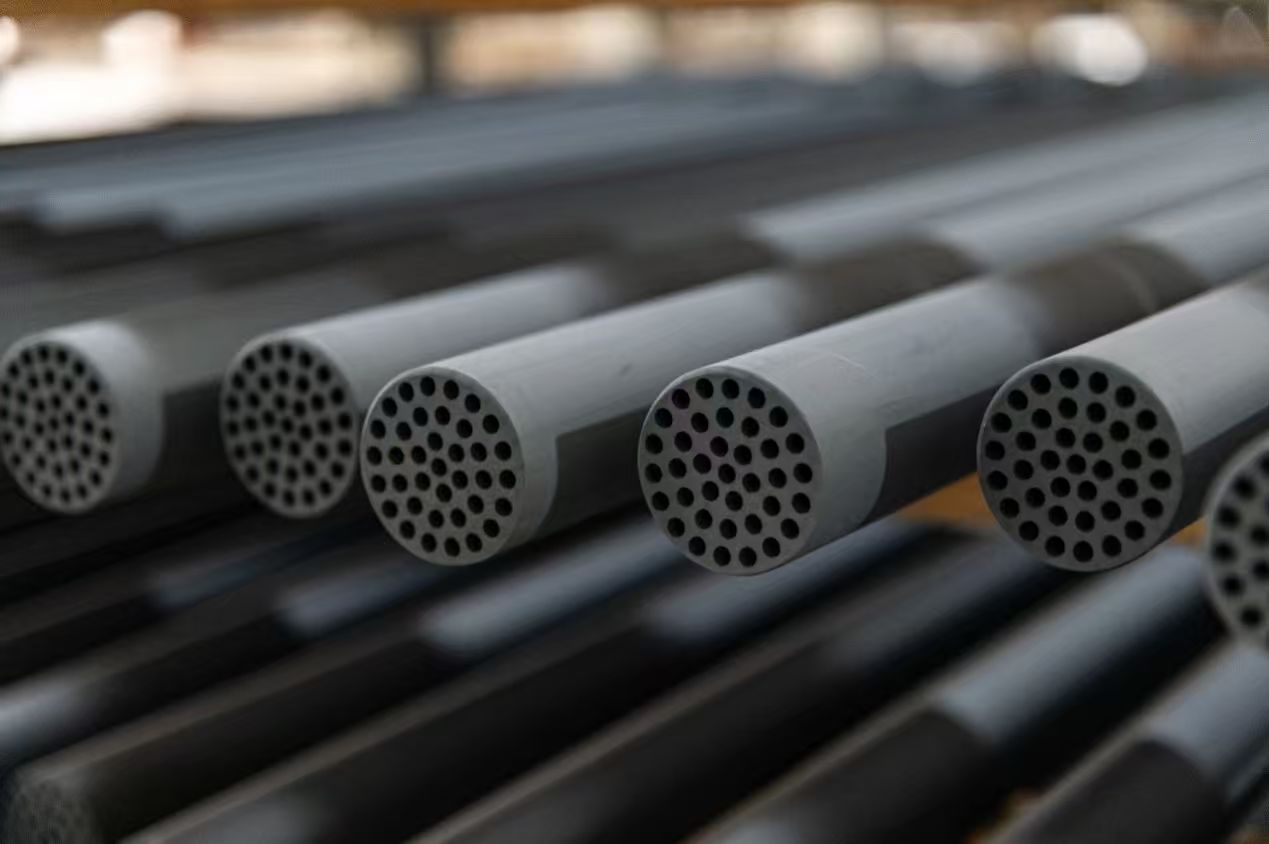
Compared to other inorganic membranes, silicon carbide ceramic membranes offer significant advantages in PAM-contaminated scenarios: flexible cleaning solutions, thorough recovery, repeated chemical cleaning to extend service life, excellent corrosion resistance and high-temperature resistance, and no damage to the membrane substrate during cleaning and regeneration. They are particularly suitable for complex water treatment scenarios such as industrial wastewater containing PAM and oilfield produced water. It is crucial to note that even with excellent membrane recovery capabilities, excessive PAM addition is not recommended; controlling the amount of PAM at the source is key to reducing operation and maintenance costs.
Summary
All filter membranes are susceptible to PAM fouling. Any type of polyacrylamide polymer entering the membrane module will bring the risk of irreversible clogging. The core principle of process design and on-site operation and maintenance is to avoid adding PAM before the membrane. If the process cannot avoid it, the dosage must be strictly controlled, and sufficient sedimentation and multi-stage filtration should be used to reduce the free polymer load from the source and slow down the inorganic membrane fouling process.
1. We welcome colleagues in water treatment processes and operations to share their experiences and challenges in operating various membrane systems in the comments section, and to learn from each other.
2. We are a professional supplier of silicon carbide ceramic membrane equipment, and can provide mature solutions for different needs. Please send us a private message for details.
3. Our company is constantly recruiting talent; industry professionals are welcome to inquire and apply.