


18072885002
Foreword
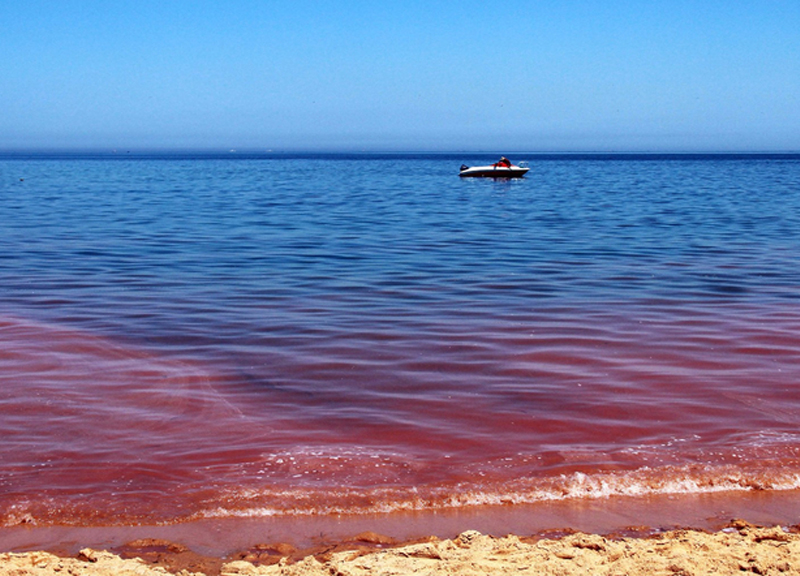
In recent years, red tides have occurred frequently. During the peak season for red tides in coastal waters every summer, the water bodies are enriched with a large number of algal cells, sticky extracellular polymers and organic colloids. The pretreatment systems of coastal seawater desalination projects are prone to malfunctions: excessive SDI in the produced water, rapid increase in transmembrane pressure difference, significant increase in reagent dosage, irreversible fouling of membrane elements, forced frequent shutdowns of the downstream reverse osmosis system for cleaning, and in severe cases, direct interruption of water supply.
Traditional long-process multi-stage filtration and PVDF organic ultrafiltration have significant shortcomings in high-algae seawater conditions. Based on measured data from a leading domestic aquaculture seawater desalination benchmark project, this paper objectively interprets the comprehensive advantages of the short-process whole-house process using rigid silicon carbide ceramic membranes in dealing with red tide conditions.
I. Red tide outbreaks: Traditional pretreatment methods are insufficient to cope.
During red tides, seawater turbidity can briefly surge to 1000 NTU. The sticky organic matter secreted by algae is the core cause of membrane fouling, and both traditional mainstream pretreatment processes have shortcomings that make it difficult to eradicate the problem.
1. Traditional coagulation sedimentation + sand filtration multi-media process
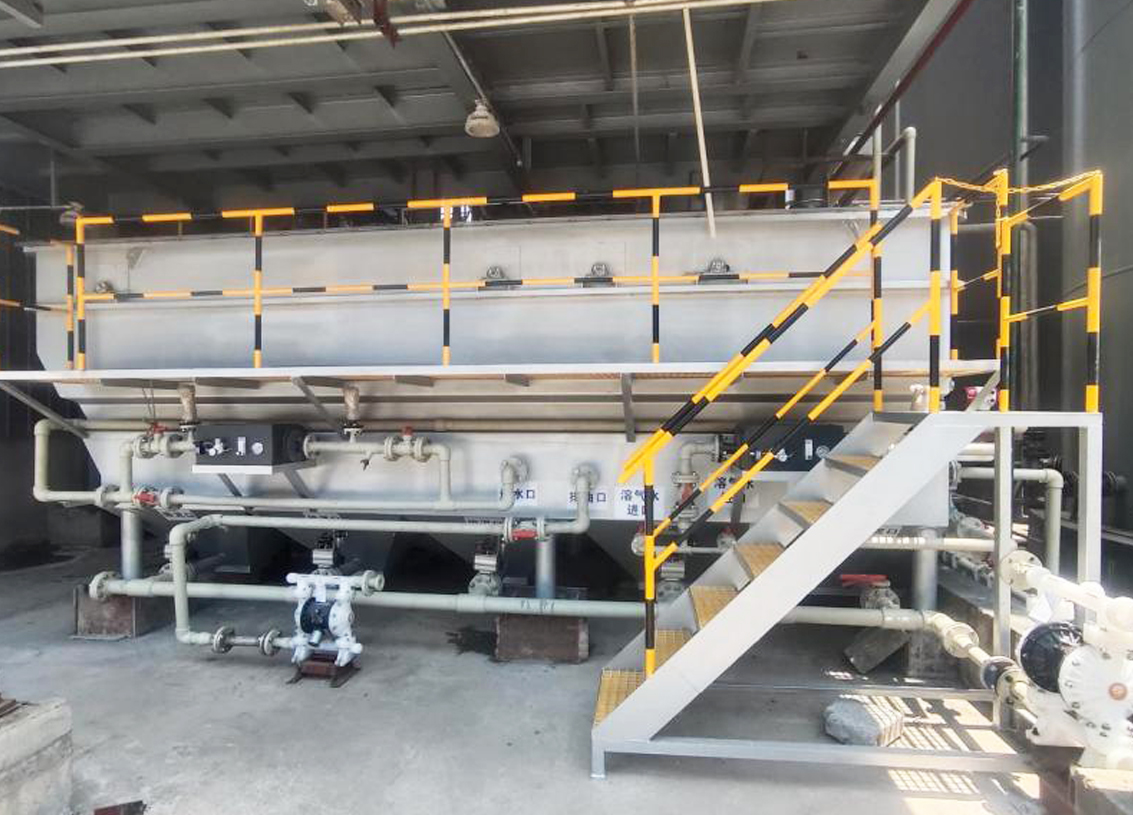
Nearshore seawater is subject to extreme fluctuations in turbidity due to the combined effects of tides, flood season, and red tides. Algal colloids are extremely sticky, requiring significant chemical additions and resulting in a surge in sludge production. Tiny algal debris can easily penetrate the filter layer and continuously scratch the downstream reverse osmosis membrane. The entire structure occupies a large area and has no buffering capacity in the face of short-term high turbidity shocks of thousands of NTUs, making it extremely prone to complete instability.
2. PVDF organic ultrafiltration membrane
The membrane surface is hydrophobic, and algal organic matter can easily form an irreversible fouling layer; red tide control requires high-frequency addition of sodium hypochlorite, and long-term oxidation will make the membrane fibers brittle and break, with a service life of only 1-3 years; high-intensity air scrubbing under high turbidity and high algae conditions will significantly increase the membrane damage rate, making it difficult to guarantee the continuity of water supply.
II. Core Adaptation Advantages of Short-Process Technology for Hard-membrane Silicon Carbide Ceramic Membranes
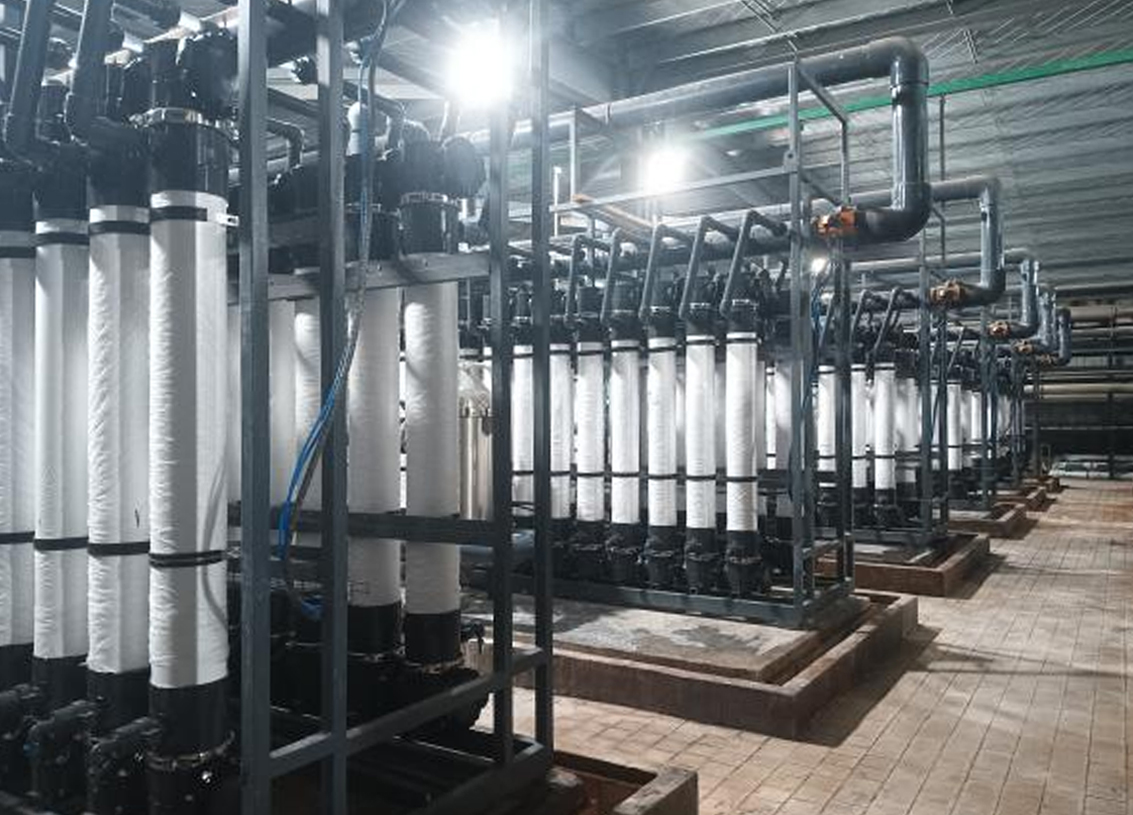
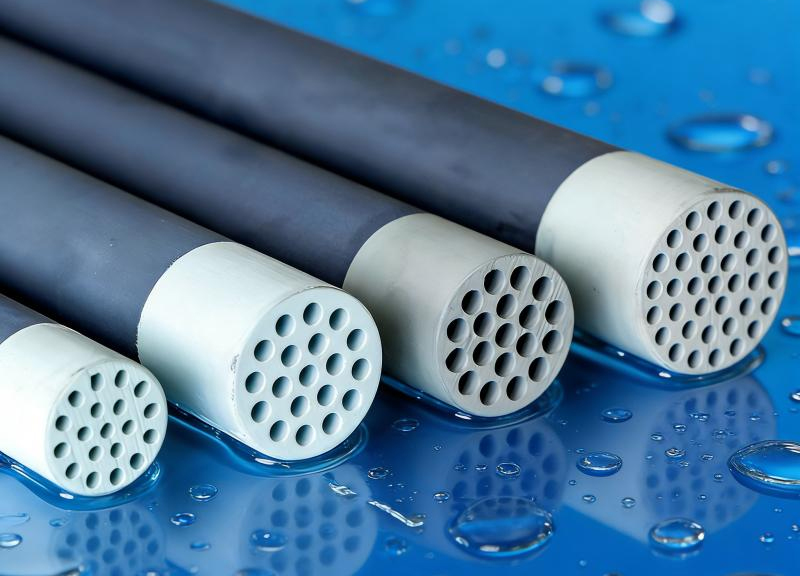
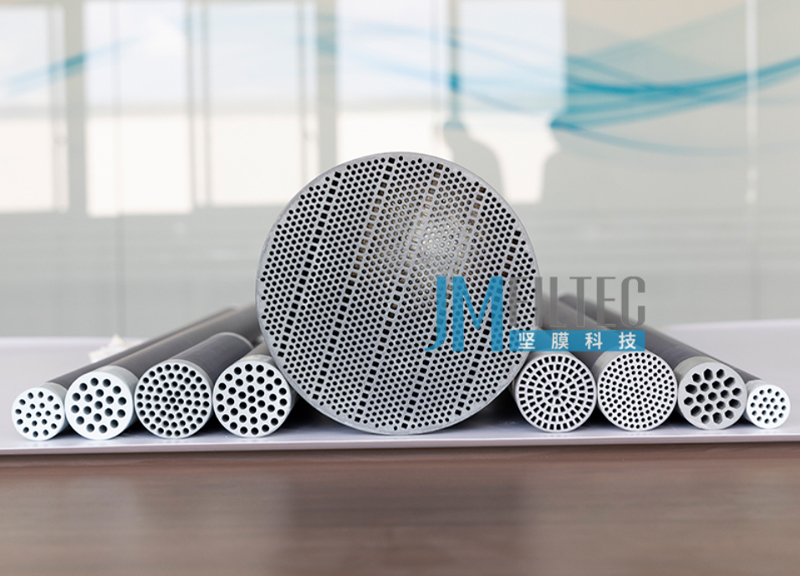
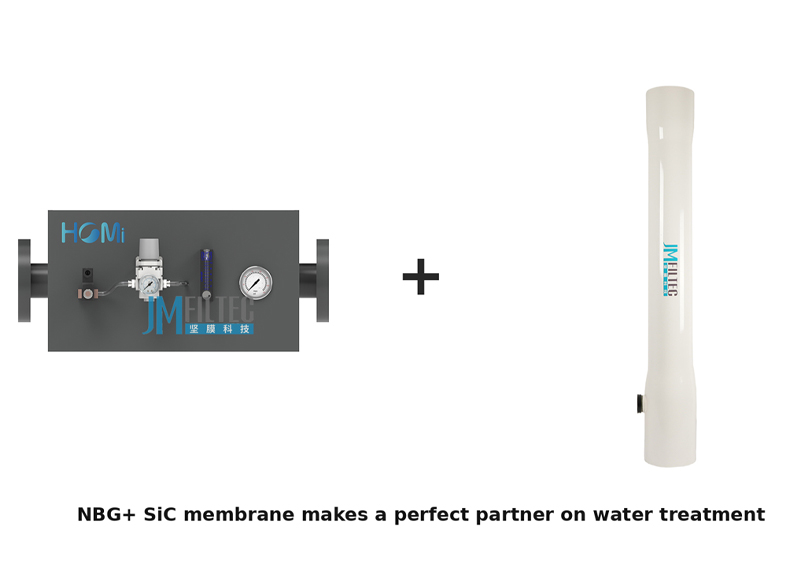
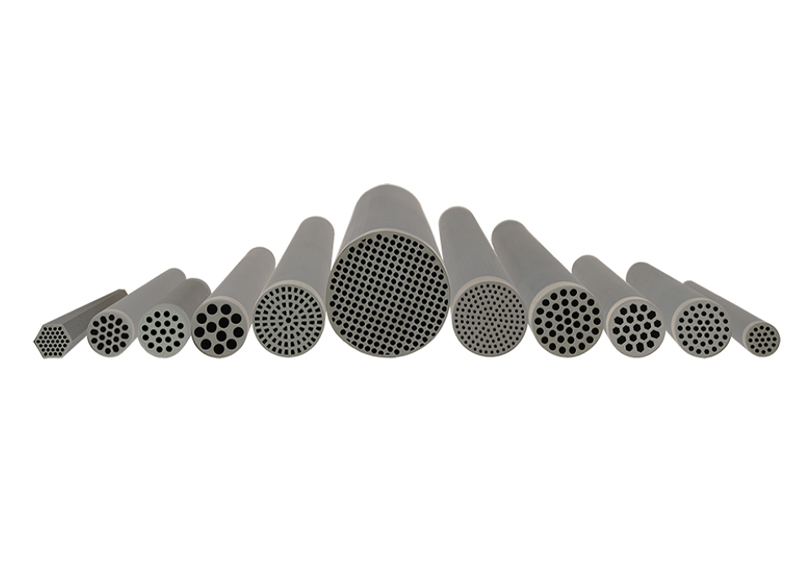
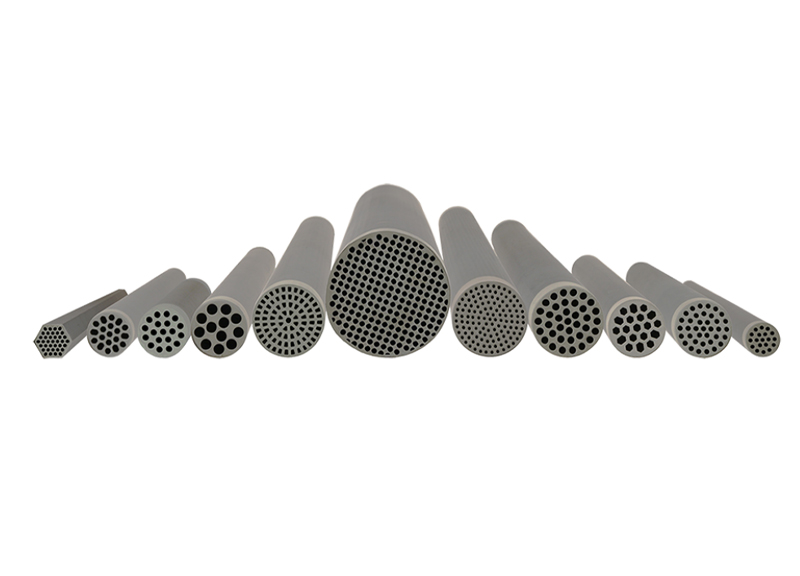
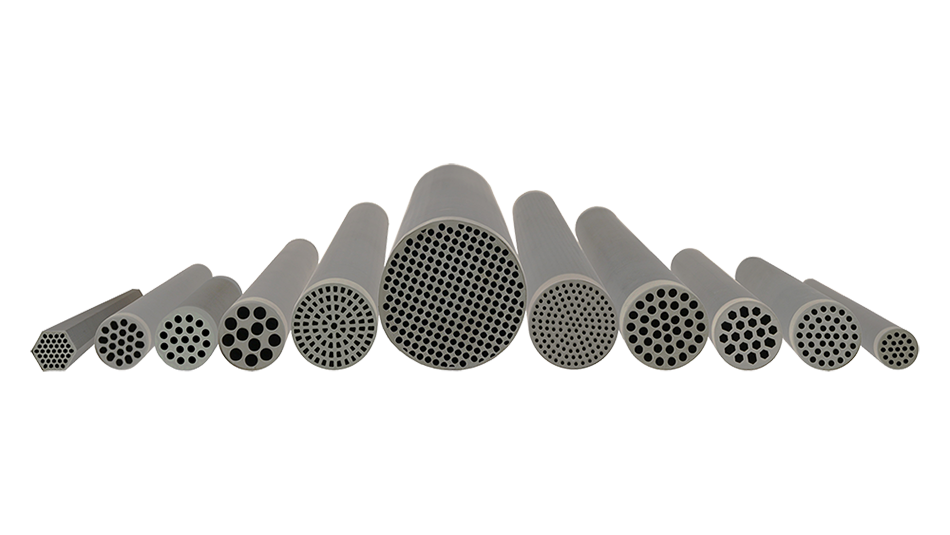
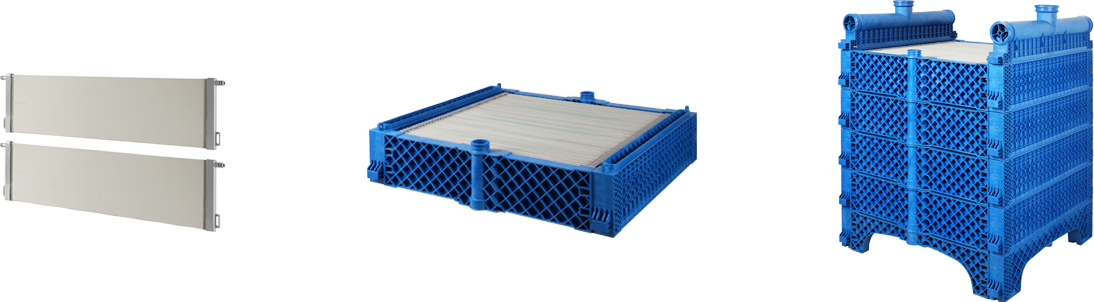
The entire system adopts a mature, short-process, integrated design, equipped with a pre-filter for micro-flocculation and load reduction. Leveraging the performance of silicon carbide ceramic membrane core materials, it is fully adaptable to nearshore seawater with high algae content, high salinity, and drastic turbidity fluctuations.
|
Core advantages |
Specific manifestations |
|
Naturally hydrophilic and antifouling, delaying algae mud compaction and membrane clogging. |
Silicon carbide ceramic membranes are naturally hydrophilic, making it difficult for algae and sticky extracellular polymers to form a dense, irreversible filter cake on the membrane surface. This results in a gradual increase in pressure differential, significantly extending the chemical cleaning cycle and reducing reagent consumption and sludge production at the source. |
|
All media corrosion resistant, algae scale can be completely regenerated and cleaned. |
The membrane is resistant to high salt, strong acids and alkalis, and can be repeatedly deep-cleaned with chemicals without swelling or damage; after soaking and cleaning with strong oxidizing agents, the flux recovery rate of algal scale accumulated from red tides exceeds 95%. |
|
High-strength integral sintering, resistant to extreme high-impact shock |
High-temperature integrated molding results in high mechanical strength and strong water production stability. Fluctuations in feed water quality do not affect the quality of the produced water, ensuring a continuous and stable output of qualified water and providing long-term protection for the downstream reverse osmosis membrane. |
|
Streamlined and efficient processes significantly reduce land use for construction. |
Eliminating sedimentation tanks, sand filters, and multi-media filtration systems saves land compared to traditional long-process technologies, and can be flexibly deployed in islands and small plant areas. |
|
With an exceptionally long service life, it remains unaffected by repeated red tide intrusions each year. |
Seawater operation can extend the service life of organic membranes by 3-5 times, significantly reducing annual consumable procurement and downtime maintenance costs, and making it suitable for green upgrades and renovations of older water plants. |
III. Field testing and verification by domestic benchmark projects to confirm the maturity and reliability of silicon carbide membranes.
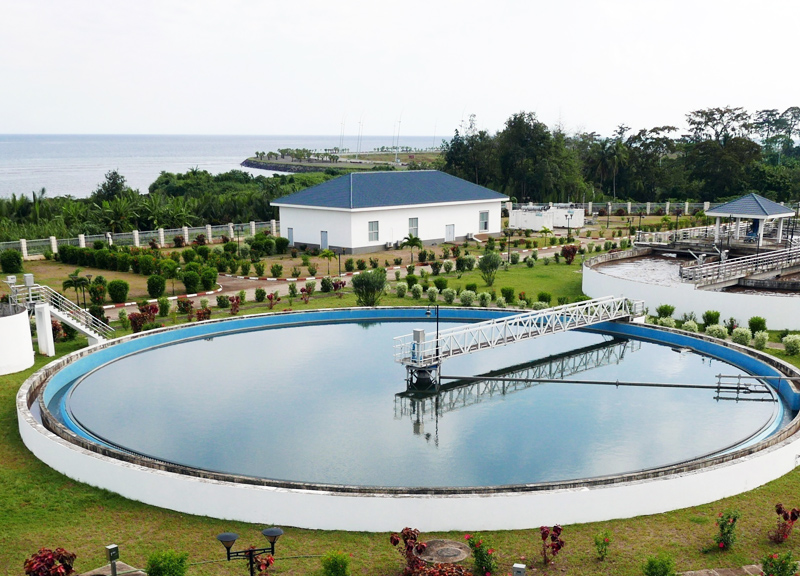
A desalination project for aquaculture along the Zhejiang coast draws water from nearshore tidal seawater. The water quality is affected by both seasonal changes and tidal disturbances, resulting in significant fluctuations in turbidity, phytoplankton content, and organic colloid content. During spring tides that stir up seabed silt, when surface runoff flows in during the flood season, and when red tides occur in summer, the turbidity of the influent can briefly surge to over 1000 NTU. Conventional pretreatment systems are highly susceptible to operational malfunctions such as rapid increases in transmembrane pressure differential and excessive SDI in the permeate.
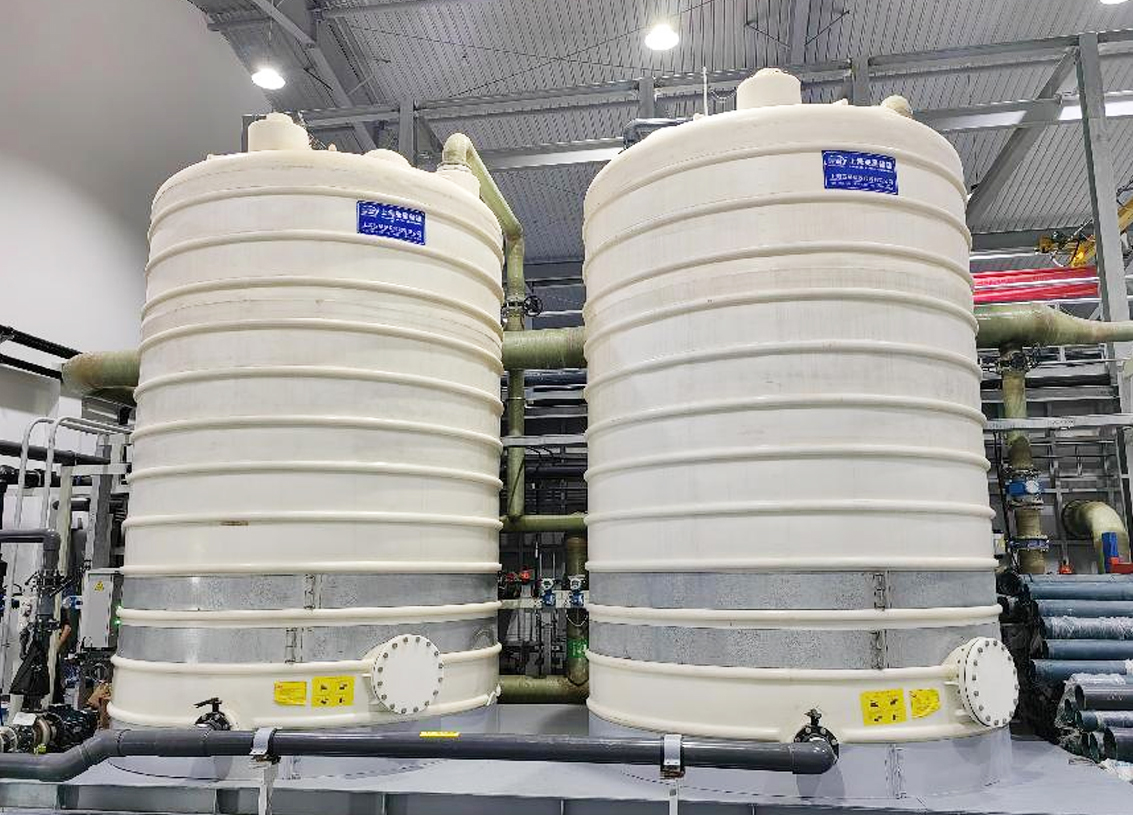
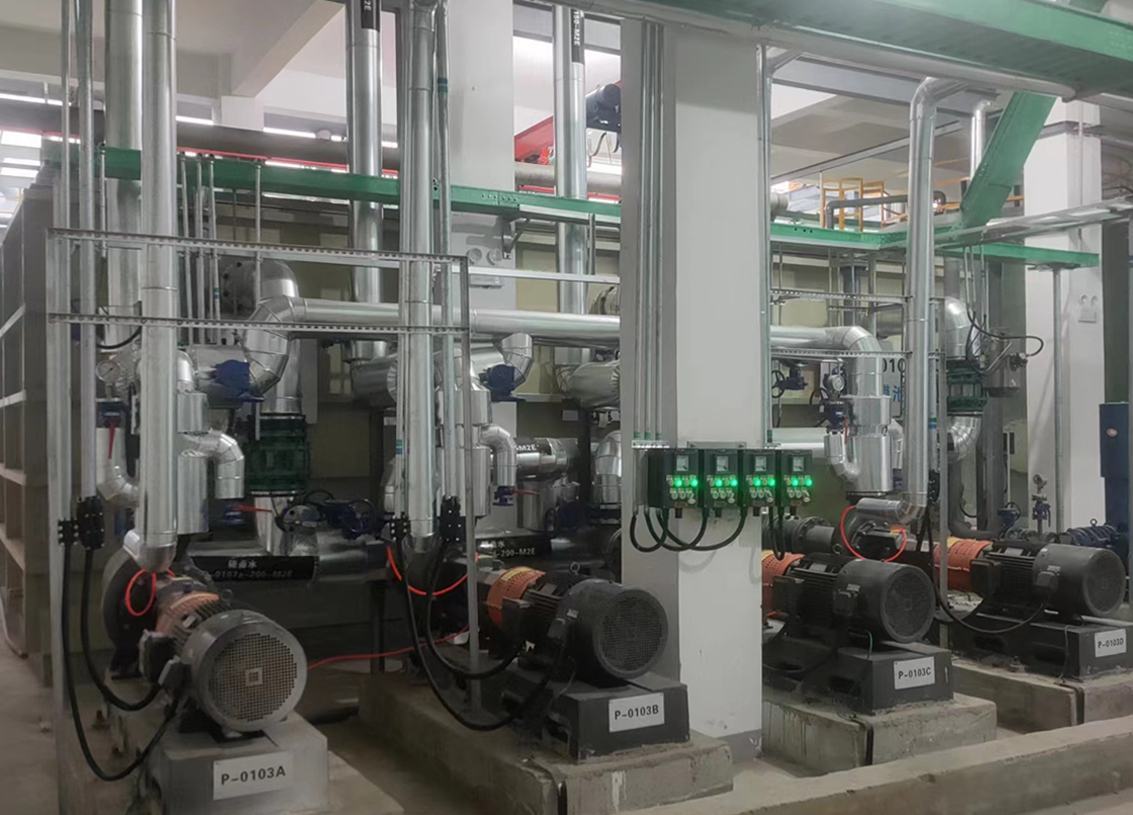
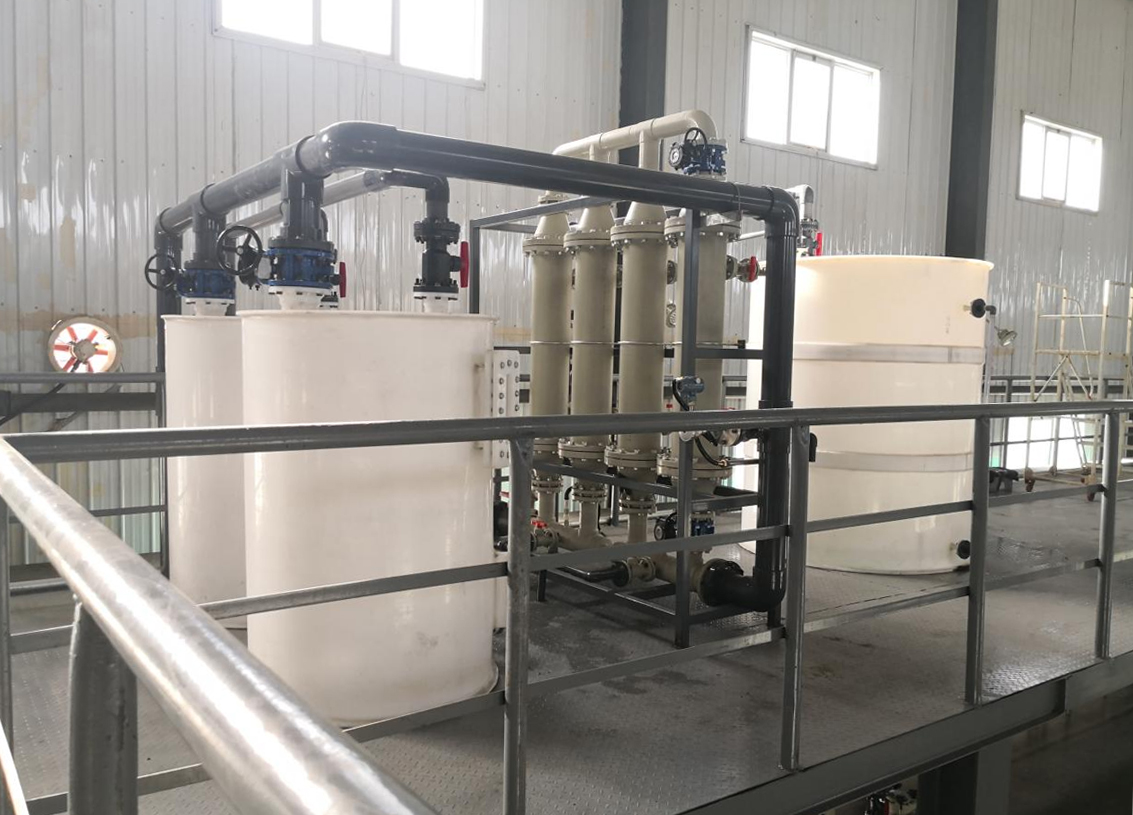
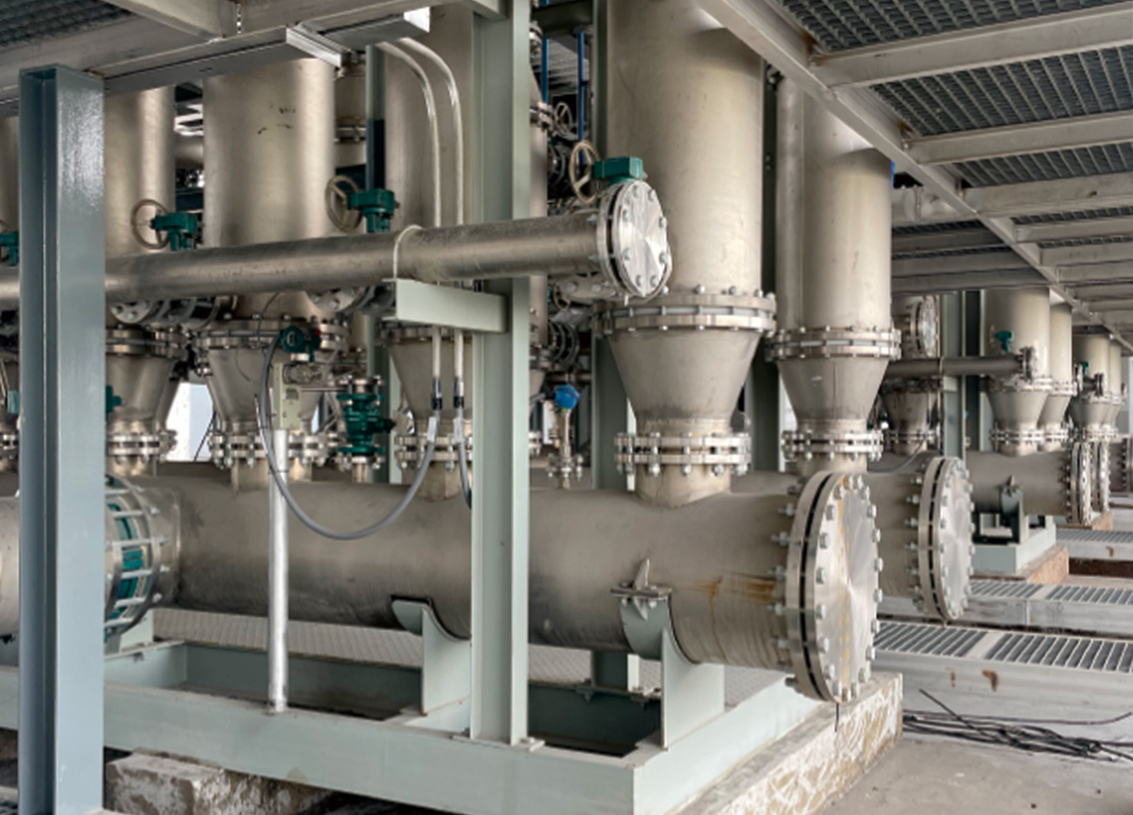
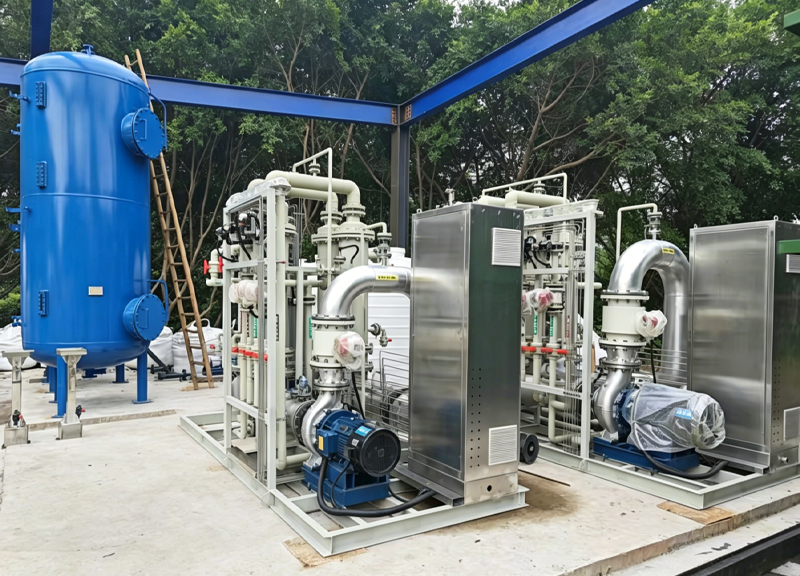
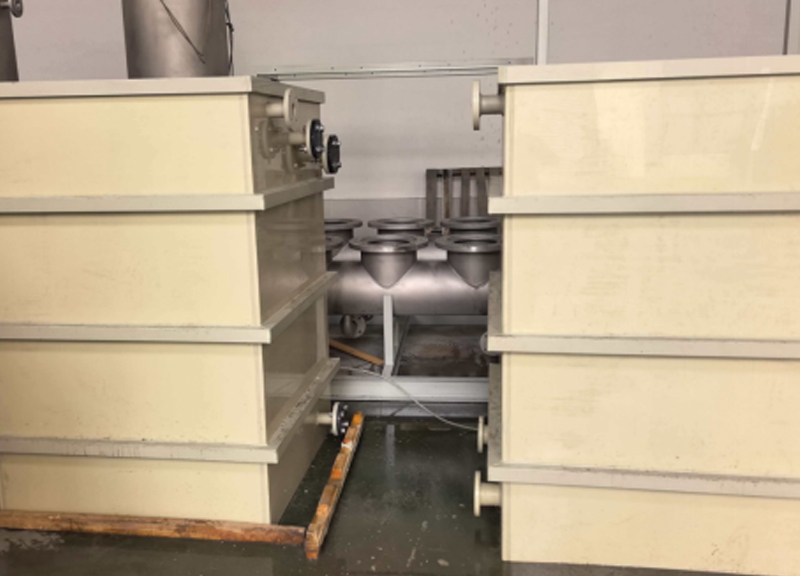
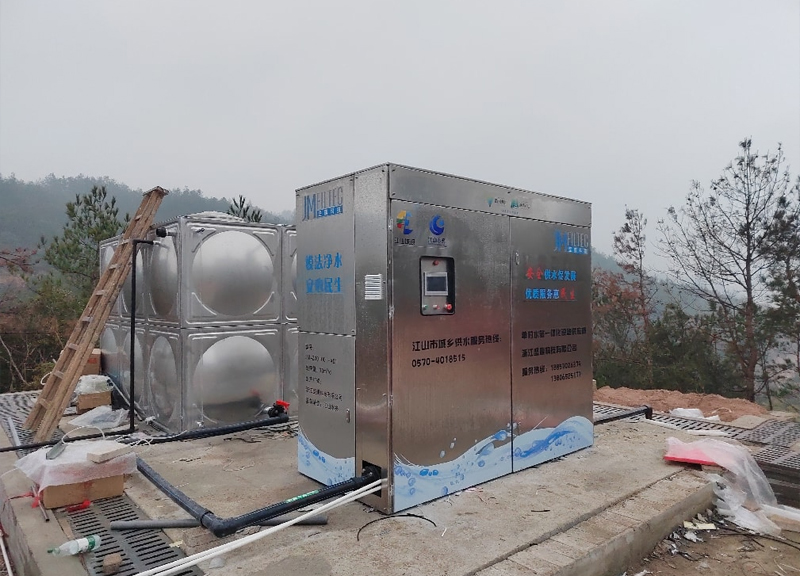
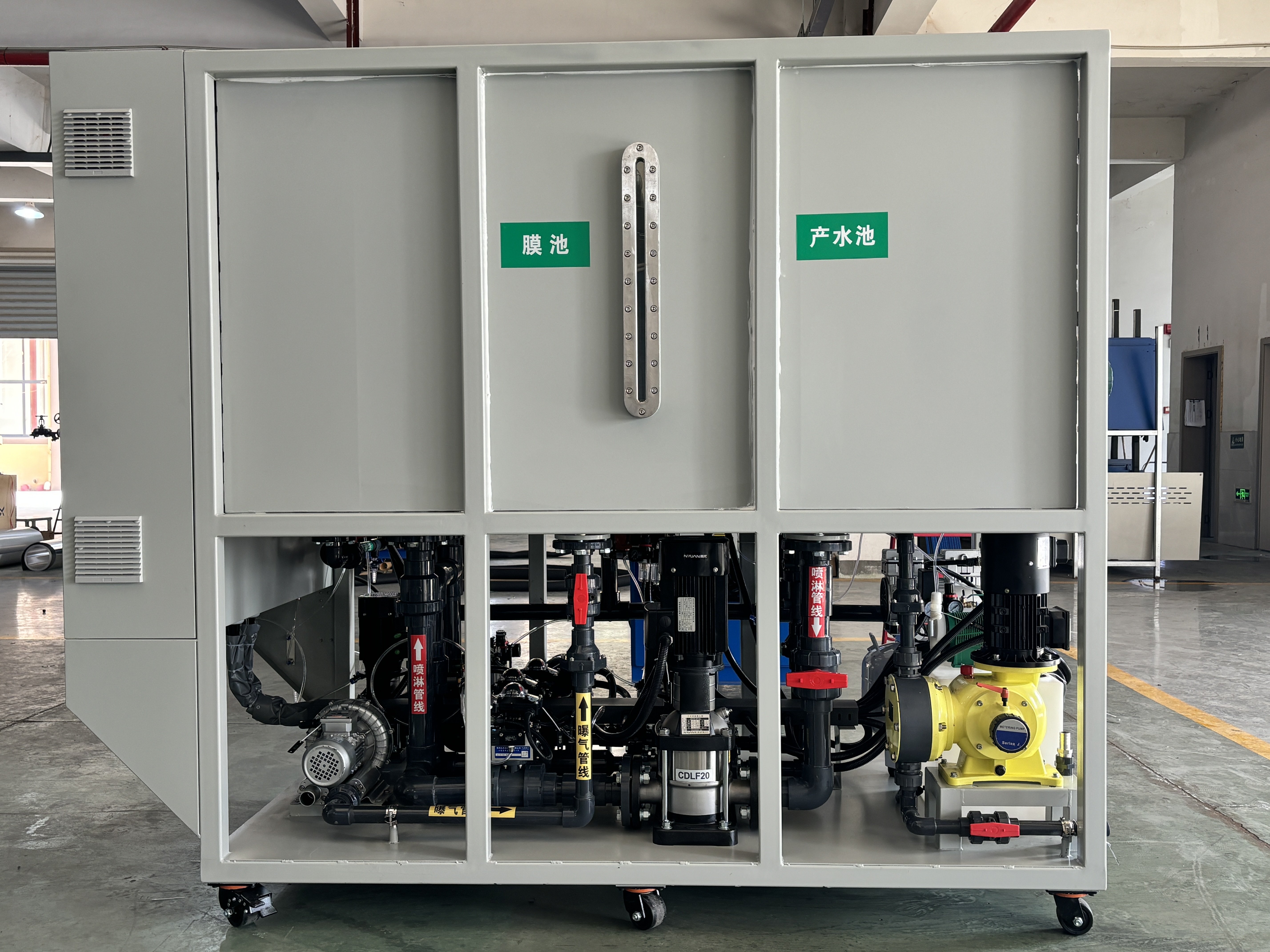
This project uses silicon carbide ceramic membrane ultrafiltration equipment as the core treatment unit. Ultrafiltration permeate is directly supplied to the downstream reverse osmosis seawater desalination system. The entire system has been operating stably for four consecutive years since its commissioning. Its advantages, including a complete process flow, stable system operation, high-quality effluent, and excellent operational performance, have earned high praise and recognition from the client. Currently, the total online treatment capacity of the silicon carbide ceramic membrane equipment in this project reaches 44,500 m³/d, and it has also set several industry records.
● The first short-process seawater desalination pretreatment project in China adopts a micro-coagulation + silicon carbide ceramic membrane direct filtration process to replace the traditional process flow of chemical dosing flocculation sedimentation + sand filtration + multi-media filtration + ultrafiltration.
● The first domestic project to apply silicon carbide membranes in aquaculture.
● The largest application project of ceramic membranes for seawater desalination pretreatment in China.
● It saves energy and reduces consumption, saving 3000m2 of industrial land.
The short-process technology can be completely replicated for aquaculture, island water supply, and seawater desalination in coastal industrial parks, and can stably resist drastic fluctuations in water quality caused by red tides, flood seasons, and high tides throughout the year.
Conclusion
With the implementation of the "Action Plan for the Development of the Seawater Desalination Industry," the construction and renovation of coastal seawater desalination projects continue to expand. Green, short-process pretreatment technologies capable of scientifically addressing high-impact water quality issues such as red tides and flood seasons have become an essential requirement for the industry. Jianmo Technology's silicon carbide ceramic membrane short-process technology leverages the advantages of multiple materials, including hydrophilicity and anti-fouling properties, oxidation and corrosion resistance, high strength and impact resistance, long lifespan, and efficient land use. It undertakes deep filtration of residual impurities, achieving reduced chemical and sludge production, saving land area, and ensuring long-term stable production. It is a domestically developed green pretreatment solution suitable for seawater desalination projects across all sea areas and scenarios.
1. For inquiries regarding process selection for coastal seawater desalination pretreatment projects and short-process solutions using silicon carbide membranes, please send a private message.
2. Industry professionals specializing in process engineering and operation and maintenance are welcome to share their pain points and experiences in seawater pretreatment operation in the comments section, and to learn from each other.
3. Our company is constantly recruiting talent; industry professionals are welcome to inquire and apply.